Value Engineering

Value Engineering is a structured methodology for reducing costs and improving performance. By critically examining the functions a product or machine must fulfill, opportunities for optimization can be identified. This enables companies to improve margins without compromising quality. At IDpartners, we apply Value Engineering to make your product designs both future-proof and more profitable.
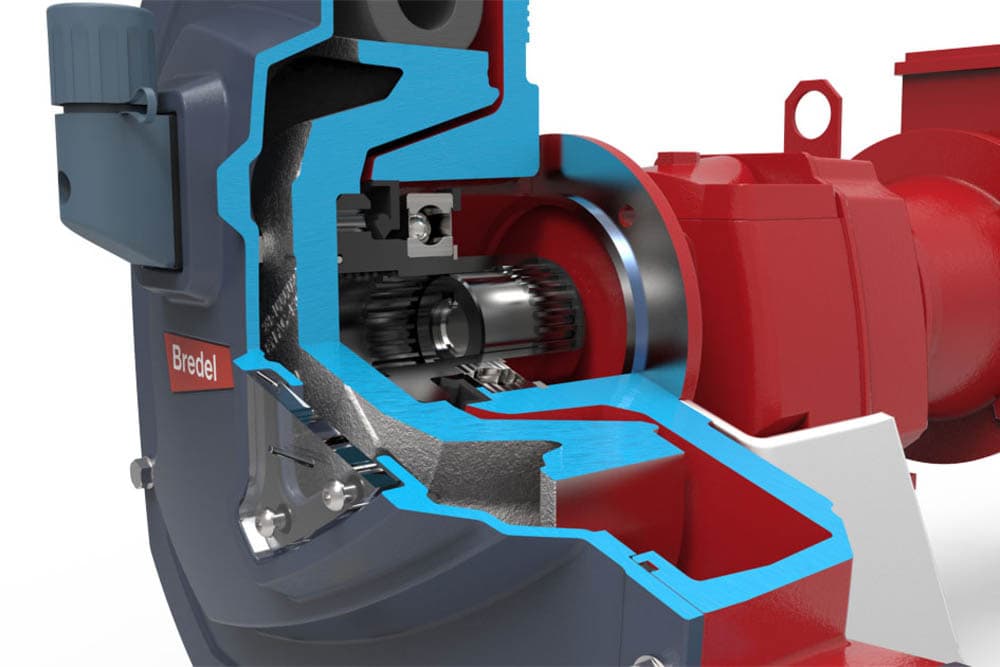

Conceptual design and engineering of a industrial hose pump

What Does Value Engineering Offer?

Every organization strives to find the right balance between production costs, material selection, and ease of use. Value Engineering helps you to:

  • Gain insight into and reduce costs
  • Maintain the right balance between sales price and profit margin
  • Align functionality and design
  • Increase customer satisfaction through improved quality
  • Enhance product performance


In this way, Value Engineering bridges the gap between technological innovation and commercial success.

The Value Engineering Process

Project Phase

Gather and understand all relevant information about the product or project.

Information Phase

Collect all available information, such as bills of materials, drawings, and cost analyses.

Visualization Phase

Define and structure product functions and map associated costs.

Analysis Phase

Identify critical functions with the greatest optimization potential.

Creative Phase

Generate as many ideas and strategies as possible to improve functions while reducing costs.

Concept Phase (Evaluation)

Assess and select the most promising concepts based on value, feasibility, and risk.

Implementation Phase

Detail the selected concepts and implement the solutions.

Function-Based Thinking

In this phase, the functions of the product are defined first: what the product must do, without specifying the solution. This encourages the search for alternative, more cost-effective, or better-performing solutions.

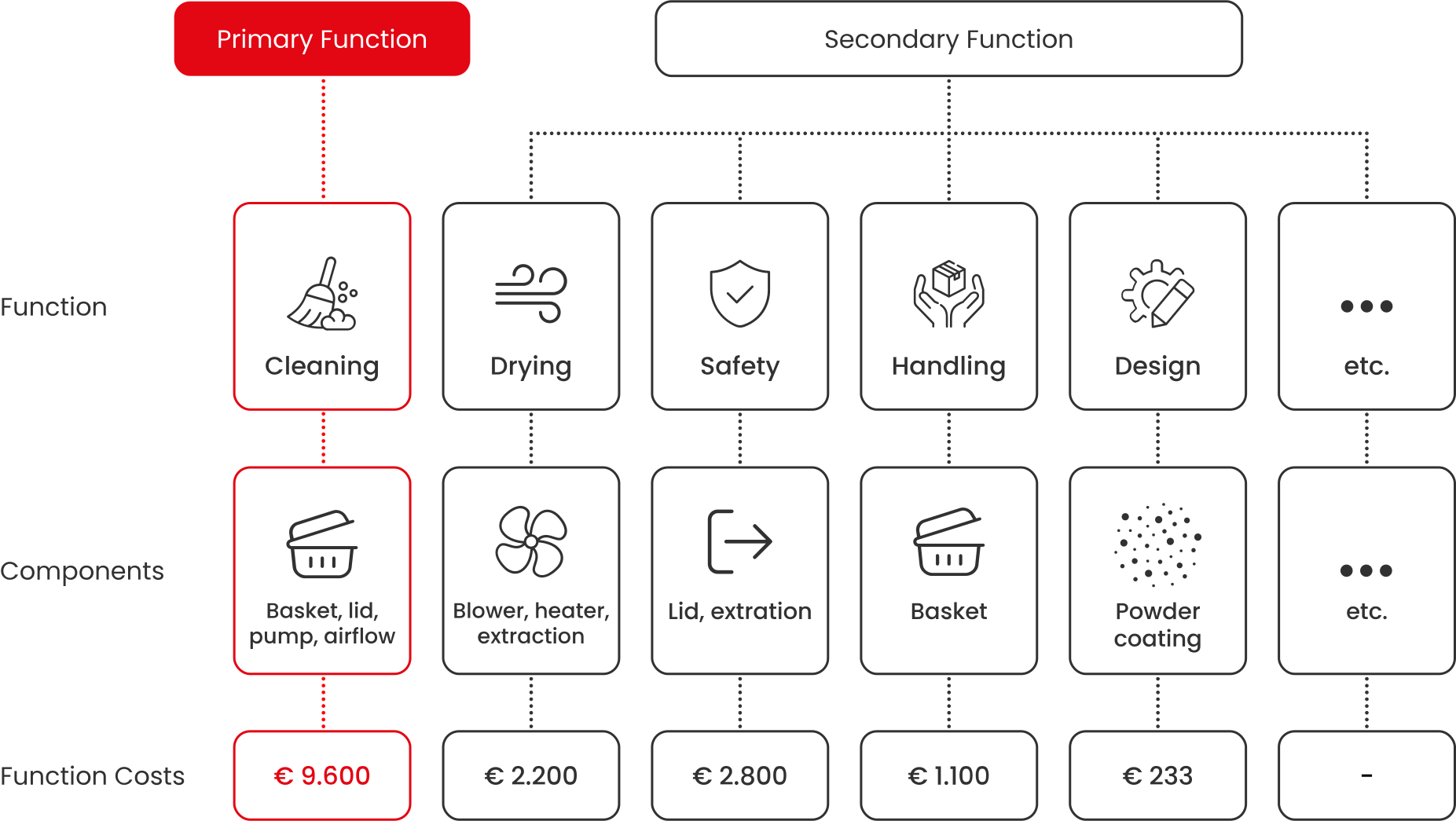
The product components are then linked to these functions. Based on the cost of these components, the cost per function is calculated.

The function tree shown alongside illustrates the functions and associated costs of an industrial cleaning machine. In addition to the primary function of cleaning, the machine also includes functions related to operation, safety, and appearance.

Value engineering function tree
Value Engineering

High-Cost Functions

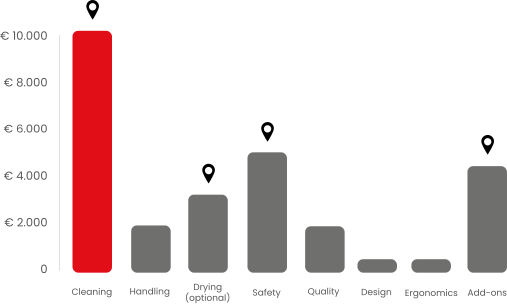
Once the cost per function has been determined, it becomes possible to identify critical or high-cost functions. These functions represent a large proportion of the overall cost and therefore often offer significant opportunities for cost reduction.

An important question at this stage is: Is the customer willing to pay for this function? Or even more fundamentally: Does the customer actually need this function?

Solution Strategies

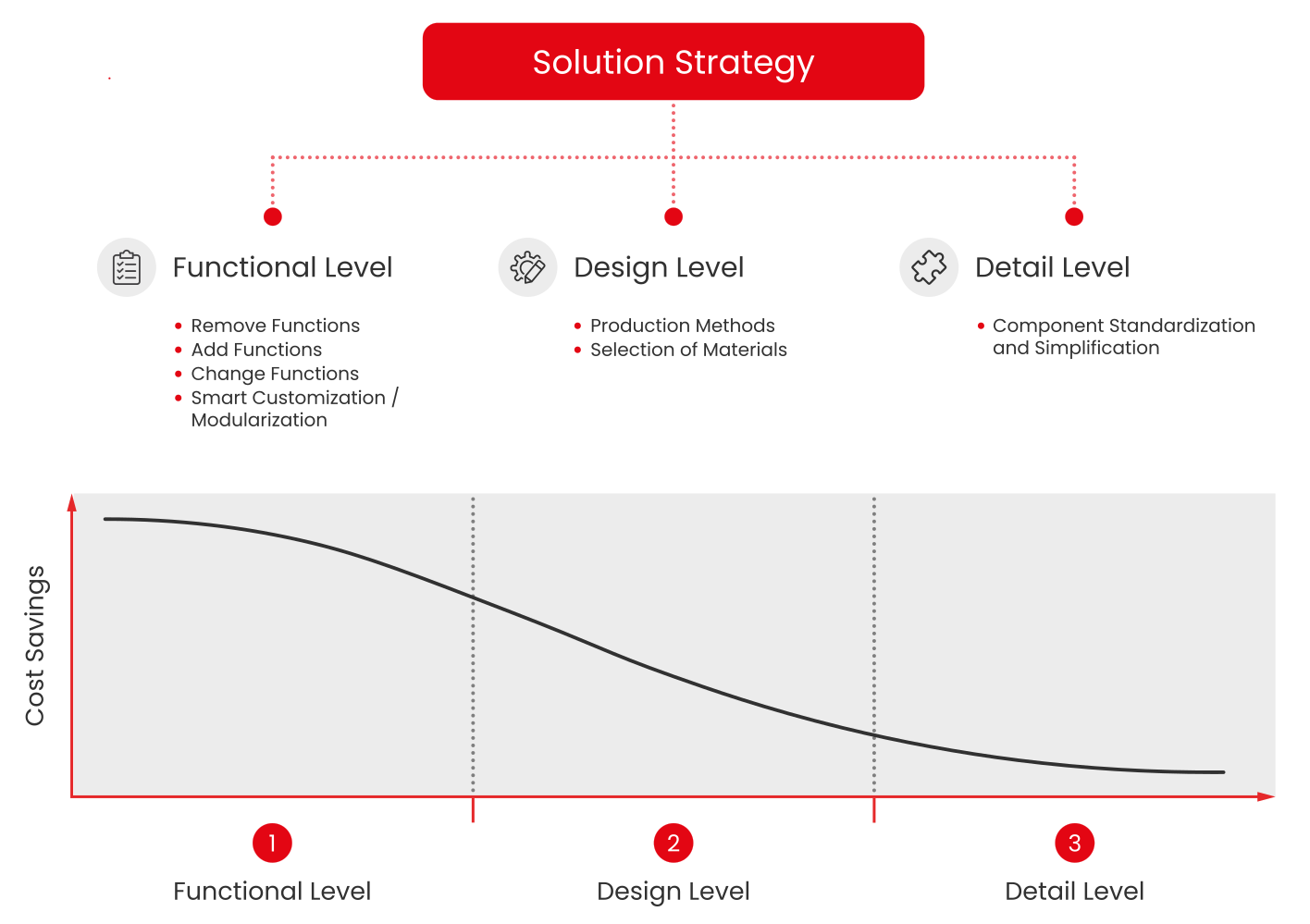
Within Value Engineering (VE), a product is analyzed on three levels to reduce costs and increase value:

  • Functional Level: Optimize functions through alternative operating principles and modularization.
  • Design Level: Improve material selection, manufacturing techniques, and manufacturability.
  • Detail Level: Standardize and simplify components.

The adjacent illustration shows that functional changes often provide the greatest cost savings, but they also have the largest impact on development and production. Therefore, concept decisions should always be evaluated across the entire value chain.

Many companies strengthen their competitive position through Smart Customization and Engineering-to-Assembly (ETA), where product functions are intelligently aligned with customer requirements.

Value Engineering Solution strategy

Case Study

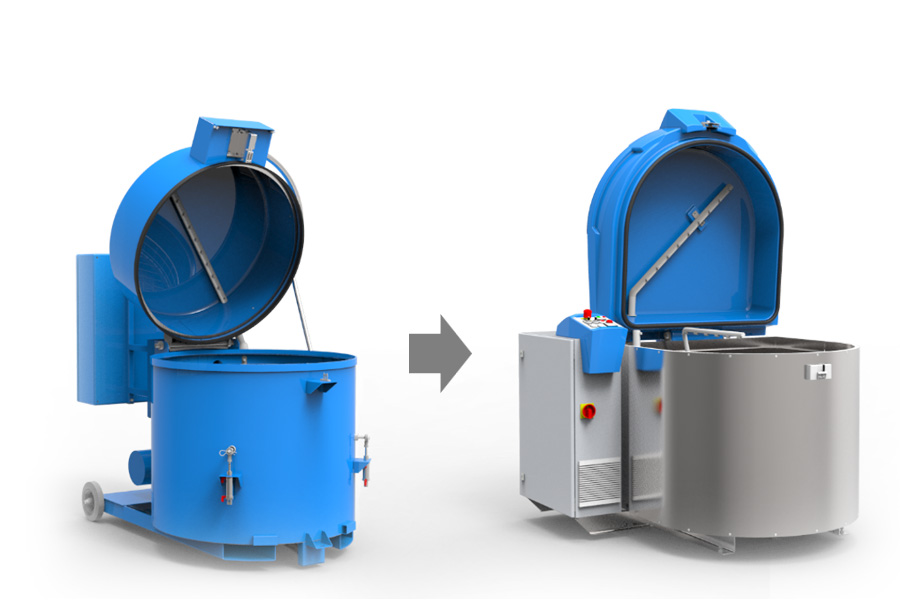
For a manufacturer of industrial cleaning machines, we applied Value Engineering (see the full project). The company offered many product variants but was unable to market them competitively. In addition, lead times were too long.

The results after the Value Engineering project and implementation of the solutions were:

  • Lead time reduced by 50%
  • Total cost reduction of 33%
  • Lower energy consumption
  • Improved ergonomics
  • Attractive product design

Modularization

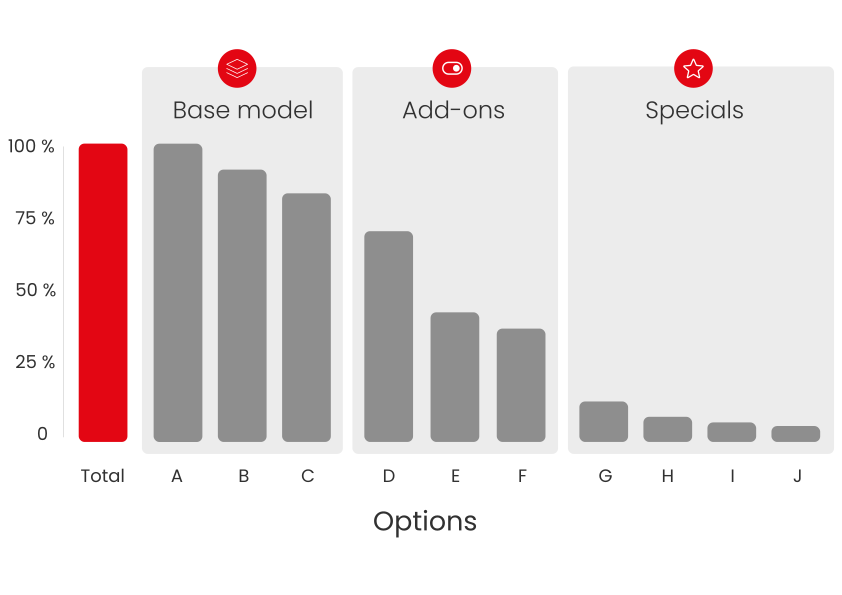
The cleaning machines were originally developed entirely using an Engineering-to-Order (ETO) approach, resulting in long lead times and high engineering costs.

During the Value Engineering analysis, the product variants sold were examined and a modular product architecture was developed consisting of a standard machine, optional modules, and customer-specific configurations.

As a result, a large portion of ETO could be converted to Configure-to-Order (CTO), as illustrated in the accompanying image. Standard machines and modules could then be produced for stock, reducing lead times by 50% and significantly lowering engineering costs.


Modularization

Functional Optimization

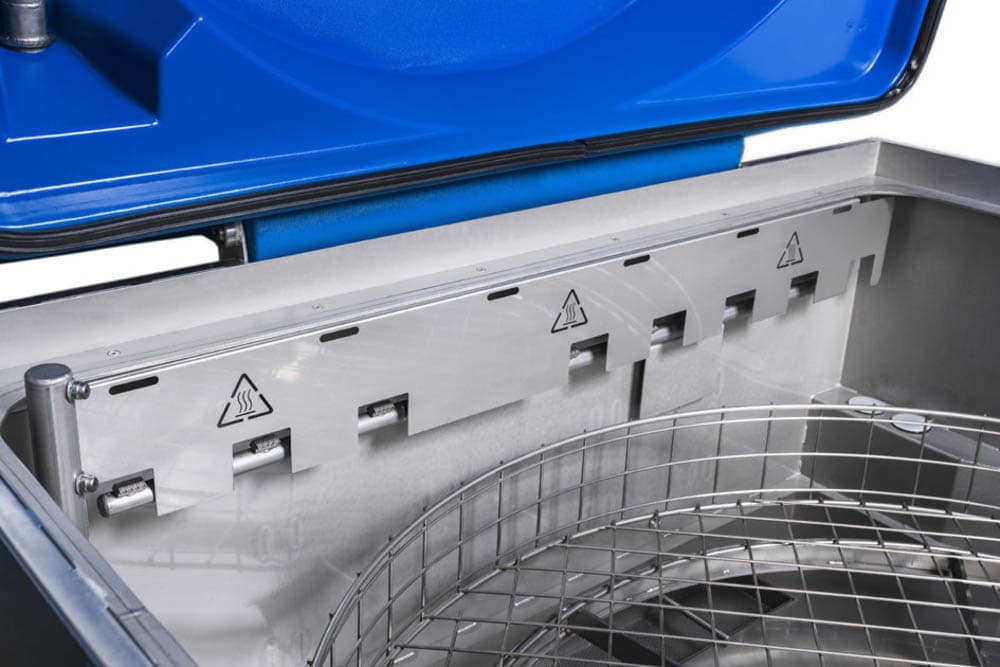
The drying process was redesigned from heating the entire machine to the use of targeted hot-air nozzles. This significantly improved process efficiency and reduced the thermal load.

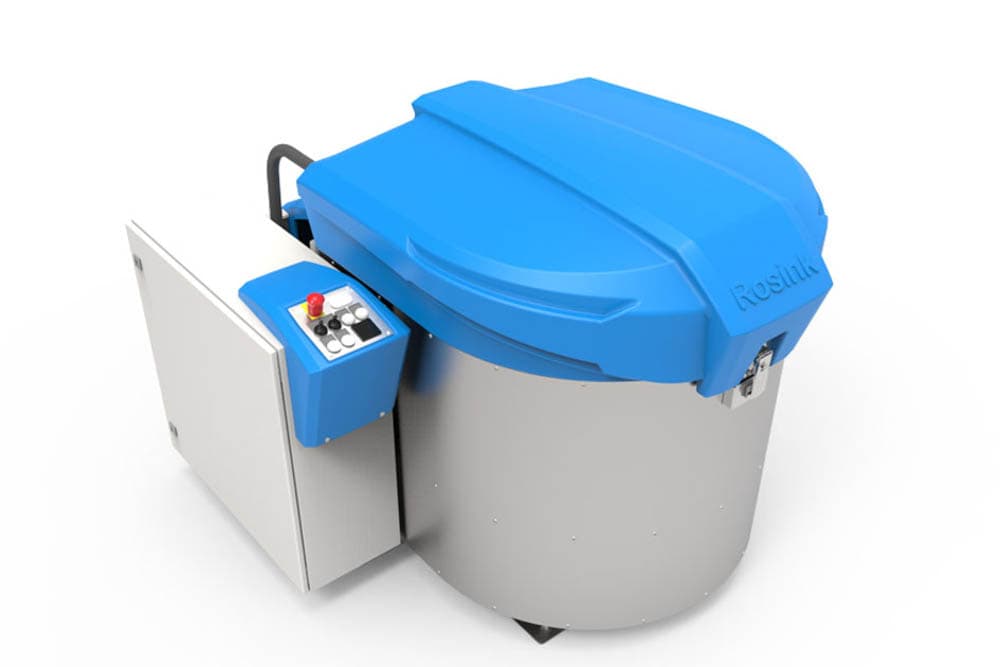
As a result, a lightweight double-walled plastic lid with insulating foam could be introduced, eliminating the need for gas springs. In addition, the plastic lid became a distinctive design feature in the company’s corporate color, making it unnecessary to paint the remaining stainless-steel components.

Want to learn more about value engineering? Feel free to contact us.

Contact

For more information please contact us

Contact us
IDpartners contact us